Improving Blood Pressure Control Through Standardized Hypertension Management: A Quality Improvement Project
Student name
Capella University
NURS-FPX9000 Doctor of Nursing Practice 1
Professor Name
Submission Date
Improving Blood Pressure Control through Standardized Hypertension Management: A Quality Improvement Project
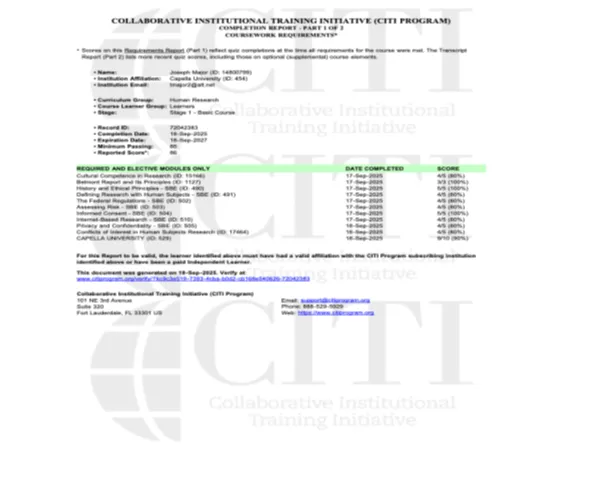
The following section describes a doctoral quality improvement (QI) project focusing on the management of hypertension among adult patients in primary care. One practice gap was the inconsistency in the treatment and follow-up protocols for blood pressure control (Office Manager, personal communication, April 28, 2026). A proposed intervention was the introduction of a protocol for the management of hypertension that is aligned with the American Heart Association (AHA)/American College of Cardiology (ACC) hypertension guidelines (Jones et al., 2025). Aspects of the guidelines included the use of structured methods for the measurement of blood pressure (BP), a stepwise approach for the titration of BP medications, counseling on lifestyle changes, use of reminders in the electronic health record (EHR) to schedule follow-up visits and control, and an organized follow-up (American Heart Association [AHA], 2025b). Research demonstrated that the design and implementation of a structured hypertension management protocol increased adherence to best practices and improved patient outcomes and the control of hypertension and cardiovascular risks (Brown et al., 2026). The project adhered to all the ethical standards for research and the quality improvement steps mandated for the project. Completion of the CITI Program and the appendix in the project provide evidence of the completion of the required ethics training.
Project Problem and Relevant Evidence
Uncontrolled BP remains an alarming concern for many patients in primary care. BP can be the catalyst for many other cardiovascular concerns and ultimately death. Health professionals are trained to address these symptoms, and yet the condition persists across the population. There are evidence-based guidelines for practicing in this field; however, their widespread application is yet to be seen (Cheraghi et al., 2025). The project site is an outpatient family practice that focuses mainly on primary physical care and the management of chronic diseases. The clinic treats between 150 and 200 adult patients each week. Usually, each patient sees the clinician for a routine assessment, along with a review of their medications, and health education is given to patients as needed.
Inadequate control of hypertension was indicated by suboptimal rates and prompted the need for quality improvement. Based on the site’s preliminary assessment, it was found that 56% (n = 78 of 140) patients with hypertension met the goals of treatment, while elevated blood pressure was found in at least 44% (n = 108 of 140) patients, with the possibility of an increase in the hypertensive population that may reach recommended targets (Office Manager, personal communication, April 28, 2026). According to the American Heart Association (2025a), control rates of >60% are expected. Improvement in the consistency of lifestyle counseling and follow-up in the EHR was noted during a later review. Also, an informal audit showed inconsistency in approaches to hypertension by different providers.
Developing a site-specific hypertension management protocol may encourage standardization of evidence-based practices for the management of hypertension and follow-up (Office Manager, personal communication, April 28, 2026). Professional benchmarks also provide opportunities for improvement in practice. The American Heart Association (2025a) advocated for blood pressure control rates following the introduction of formalized, evidence-based processes above 60% to be seen as a positive progression. Brown et al. (2026) also argued that nurse-led and team-based interventions contribute positively to the control of hypertension. The current performance and the chosen benchmark also indicate that the improvement in the alignment of best practices is warranted.
Evaluation of Metrics and Areas for Improvement
We will carry out evaluations to determine the effectiveness of the intervention. The primary outcome measure is the proportion of patients whose blood pressure is controlled (BP<140/90 mmHg). Secondary process measures include the proportion of lifestyle counseling documented, follow-up appointments completed, treatment agreed/accepted, and EHR properly completed. The study by “Abdelrahman” et al. (2025) shows that the implementation of controlled documentation, clinical pathways, and follow-up activities contributes dramatically to the improvement of patients through coordination and integration of care, reduction in care variation, and improvement of decision-making processes in healthcare. The effectiveness of the project will be evaluated through baseline and post-intervention data comparison. The measures will be evaluated on a continual basis to improve the sustainability and continuous quality improvement of the project.
The Project Site
The project will be at a primary care, outpatient, family practice clinic in South Louisiana. It offers a full array of chronic disease management and primary care support for adults. The priority of care is placed on preventative health, management of chronic diseases, patient education, and evidence-based practice. The center is an outpatient health care setting with patients who have chronic conditions such as hypertension, and it is a suitable place for introducing a hypertension quality improvement initiative. The clinic advocates for patient-centered care. This community-based healthcare setting has a multidisciplinary team that consists of two nurse practitioners, office staff, and a consulting physician who is available for assistance when necessary (Office Manager, personal communication, April 28, 2026). The clinic provides counseling related to lifestyle management, blood pressure monitoring, medication management, and general assessments of patients. Each day, the clinic assists about 30 to 40 adults, which translates to approximately 150 to 200 visits in one week (Office Manager, personal communication, April 28, 2026). The size of the patient population, availability of chronic illness management within the organization, and the presence of a multidisciplinary team structure make this a good project with the opportunity to work in collaboration with the team, to apply the protocol, to do follow-ups with the patients, and to monitor the hypertension outcome. On average, the clinic serves approximately 30–40 adult clients per day, resulting in approximately 150–200 weekly patient encounters (Office Manager, personal communication, April 28, 2026). The organization’s moderate patient volume, established chronic disease management services, and multidisciplinary team structure support the feasibility of the project by allowing adequate opportunities for staff collaboration, standardized protocol implementation, patient follow-up, and continuous monitoring of hypertension outcomes. The quality improvement project will be conducted in the primary care system to support the management of hypertension by implementing standardized evidence-based treatment protocols, staff education, and enhancing follow-up processes. Quality enhancement efforts in health care organizations positively impact the outcomes of the patients and decrease care gaps.
Project Support at the Project Site
Close ties between leadership and clinical stakeholders are critical to quality improvement efforts. Practicum site preparation and support are very strong, involving clinic leadership, nursing staff, nurse practitioners, and clinic administration. The preceptor, clinical director, is an experienced health care leader who has knowledge and experience in chronic disease management and implementation of evidence-based practice. Regular weekly meetings took place to plan for the project, link with workflow, prepare the staff, and plan evaluation strategies. The collaborative engagement facilitates communication, stakeholder accountability, and effective project execution and can be used to modify project activities in real time depending on feedback from stakeholders.
The preceptor was always available to assist with the development of the project, the standardization of protocols, and the staff’s education planning. Staff meetings, staff discussions about workflow, and informal feedback sessions were used to engage stakeholders. The main topics of discussion were on enhancing the current practice of hypertension care, minimizing provider variation, and improving follow-up. Standardized documentation, patient education, and evidence-based care delivery were key points of interest for stakeholders. Through feedback from nursing staff, an area for improvement to promote consistency in following up and tracking documentation was identified. Required steps are directed and informed primarily by the feedback of relevant stakeholders, and help focus the improvement of workflow processes, additional training, and support adjustments to the hypertension protocol to enhance the feasibility and integration into the routine of clinical practice. Li et al. (2025) noted that staff involvement and support from staff leadership improve the quality of outcomes of the initiatives for improvement and their sustainability. The clinic clearly identified the need for improvement and was prepared to implement evidence-based hypertension guidelines.
Areas for Preparation Enhancement
To enhance the preparation phase, staff education and the standardization of work procedures and communications were identified as focal areas. Having a precise timeline, providing the staff with implementation training to develop staff skills, and establishing a monitoring and evaluation practice would help achieve project sustainability (Li et al., 2025). Incorporating brief reskilling sessions and continuous performance feedback would strengthen compliance with the standard hypertension management plan.
Proposed Interventions
The intervention described here results in the adoption of a standardized protocol for the management of hypertension. This protocol is based on the 2025 AHA/ACC clinical practice guidelines. It incorporates standardized blood pressure assessments, medication titration, patient education and counseling, clinical decision support, and defined follow-up (American Heart Association, 2025b). Jones et al. (2025) proposed a multidisciplinary, evidence-based approach to Quality Improvement (QI) that focuses on standardizing the care and minimizing variability among staff. This intervention will be implemented in a Primary Care Outpatient Clinic by altering work and practice flow, training staff, and modifying the electronic health record. The proposed interventions target the morbidity caused by inconsistent hypertension management and poor blood pressure control that was captured by the baseline data. The work of Brown et al. (2026) confirms that the ACC guidelines endorse the development of standardized hypertension management protocols. This, in turn, positively influences the adherence of primary care providers to hypertension management protocols and blood pressure monitoring, as well as improving patient outcomes. The proposed interventions were designed to target practice gaps identified by the baseline data and respond to the PICOT question in order to reduce hypertension among adult patients by providing consistent management.
The intervention contains hypertension protocols, which include the standard measurement of blood pressure, blood pressure algorithms, medication titration algorithms, patient education with follow-up, and the patient’s follow-up plan. All hypertensive patients will be treated by nurse practitioners and nursing staff following the prescribed protocol. Clinic leadership will show support for alerts and reminders in the EHR to promote protocol compliance. This will be done using roll-out processes, staff education, the integration of workflows, and compliance monitoring. They structured hypertension management in primary care and showed the benefit of improved control of blood pressure and a reduction in the risk of cardiovascular-related issues. This supports the findings of Jones et al. (2025). Earlier, Satheesh et al. (2024) showed that the implementation of a standard protocol for the management of hypertension in primary care greatly improved the control of blood pressure. Song et al. (2024) showed that the application of care protocols improved the outcome and decreased the variability of clinical decision-making. O’Donnell and Gupta (2023) conducted a study that showed the use of a structured monitor of safety and effectiveness in healthcare can improve the quality of care. Finally, Blew et al. (2026) showed that adherence to the hypertension management guidelines improved the control of hypertension and cardiovascular outcomes. Combined, they all support the need for the application of structured hypertension management protocols in primary care.
Evidence-Based Intervention
Building a consistent hypertension (HTN) management strategy based on 2025 American Heart Association/American College of Cardiology (AHA/ACC) clinical practice guidelines (CPGs) will improve hypertension control, increase safety, and promote clinical standardization (Jones et al., 2025). The cornerstone would be the structured hypertension management protocol coupled with EHR systems, allowing for standardization of blood pressure measurement, the use of medication titration algorithms, inclusion of patient education and lifestyle modification counseling, as well as EHR alerts and organized follow-up (Jones et al., 2025). Staff will receive training on the above protocol in addition to project start-up activities within the first two weeks of the project. Employees will be trained on accurate blood pressure measurement, titration algorithms, patient counseling, and lifestyle counseling. Training will include clinical practice guidelines, reminders, and simulations. The focus of weeks 3 to 10 will be the practice insertion of structured workflows and collaboration to embed the standardized protocol of routine clinical practice and follow-up to monitor control and adherence to blood pressure. The intervention will strengthen clinical decision-making and consistency across team members and increase patient engagement. Jones et al. (2025) noted that for positive outcomes in hypertension management and to limit practice variability, there is a need for standardization and collaboration among care providers.
To measure provider adherence to the project, patient blood pressure control, and intervention effectiveness, data collection, outcome analysis, and documentation review (project evaluation activity) will take place during weeks 10 and 12. The interventions are designed to be integrated within primary care services to offer both an evidence-supported and viable framework for the improvement of hypertension control, as well as the enhancement of long-term cardiovascular health outcomes.
Comparisons
The aim of the proposed intervention is to make a comparison between the management of hypertension in a clinic setting as it currently exists and what the proposed evidence-based intervention will help to establish, in order to improve the management of hypertension in a clinic setting. The management of hypertension in a clinic today involves making a diagnosis based on obtaining blood pressure measurements and making treatment decisions. Management of hypertension is then supplemented with variable use of lifestyle adjustment counseling and other supportive measures, and these activities are not standardized to a routine practice. One of the aims of management of hypertension is to design and implement a fully standardized, evidence-based system of managing hypertension for which all health care providers will use the AHA/ACC Guidelines (Jones et al, 2025). These lead to precise management of blood pressure and timely modifications and adjustments of blood pressure and associated medications, structured education and supportive care to follow for the patients, and more robust and effective use of EHR and team-based care. The evidence-based approach to the management of hypertension is not being utilized in a uniform and standardized way in the organization, which is the reason why a variability in the management of hypertension is being experienced. The proposed intervention aims to address the variability experienced in the management of hypertension in the organization by increasing adherence and consistency with guidelines and management of hypertension. Other similar DNP projects have shown that identifying and closing practice gaps in hypertension management has resulted in an improvement in the management of hypertension and an improvement in long-term outcomes of overall cardiovascular health.
Desirable Outcomes
The ultimate goal of the DNP project is to achieve better blood pressure control in the primary care clinic by improving the evidence-based hypertension management protocol in the clinic, such as streamlining the blood pressure measurement protocol, protocol-driven medication titration, education of patients, structured lifestyle counseling, electronic health record (EHR) system reminders, and structured follow-up processes. The direct measurement of outcome will be through clinical staff performance and adherence to the individual components of the intervention, and will directly correlate with provider-reliant, standardized care delivery activities resulting in improved hypertension control. The overall goal of the project is to improve the outcomes of patients for hypertension control within the target range (<140/90 mmHg) by implementing a standardized evidence-based hypertension management protocol. Secondary outcomes are the following: improvement in provider adherence to clinical guidelines, improvement in patient education, improvement in patient follow-up compliance, and improvement in documentation and accuracy. Together, these changes can contribute to a more uniform, integrated, and effective approach to the delivery of care in the clinic.
EHR data, chart audits, and clinical performance indicators will be used to measure outcomes. The primary outcome will be the percentage of patients with controlled BP. Also, adherence to the hypertension treatment guidelines and follow-up appointment schedules will be monitored.
Learner’s Role for the Project
As the DNP project lead, the learner will have the role of designing and planning an evidence-based quality improvement project for hypertension. The learner will have to facilitate the completion of all the project stages, including the design and planning of the project, the design of the educational component for staff, the staff training, as well as the implementation of the project and the evaluation of the project outcomes. Collaboration with the preceptor (who holds the position of clinical mentor and project guide) will aid in the project’s fit within the organization, the workflows of the organization, and the evidence-based practices. Engaging with the nursing staff, nurse practitioners (NP), and the members of the administration will aid in the communication and implementation of the project. Research has demonstrated that nurse-led structured quality improvement efforts enhance the performance of primary care and improve hypertension outcomes. The learner will have the ability to improve the quality of care and reduce clinical variation and better chronic disease management through measuring the outcomes of the quality of care, the control of blood pressure, and the compliance and follow-up to realize the improvement within the organization.
Project Question
For the nursing staff working with adult hypertension (P) patients, does the standardized and evidence-based hypertension management protocol (I), according to American Heart Association/ American College of Cardiology (ACC) guidelines, when compared to the current practice (C), improve the rates of blood pressure control (O) over a 12-week period (T)?
The presented PICOT question focuses on hypertensive adult patients (P) who utilize primary care (P) and have unregulated or difficult-to-manage blood pressure (O). The intervention (I) consists of a formalized approach for managing hypertension that involves routine blood pressure checks, the titration of blood pressure medication, education of the patient, and the scheduling of follow-up appointments (Jones et al., 2025). Care (C) takes a more eclectic and less standardized approach to provider practice, follow-up, and documentation. Outcomes (O) are measured by the successful control of blood pressure, adherence to clinical practice guidelines, and the documentation and follow-up showing compliance and satisfaction. The QI Project timeframe (T) is 12 weeks. A structured framework for guiding evidence-based practice change and evaluation of clinical outcomes in a systematic way, the PICOT framework, is used to evaluate clinical outcomes systematically.
Conclusion
The adult hypertension population that the DNP project leader is interested in will be treated in a primary care clinic, and the goal is to enhance hypertension management and boost rates of blood pressure control. Evidence-based interventions, including patient education, medication titration, structured follow-up processes, and more, are guided by the 2025 AHA/ACC guidelines. A standardized staff training program allows nursing staff and nurse practitioners to have uniform hypertension management strategies, proper blood pressure measurement procedures, and effective patient education. Education and competency-based training enhance clinical decision making, documentation, and team-based care coordination. The project encourages evidence-based practice, constant quality improvement, patient safety, and better long-term health outcomes.
References
Abdelrahman, E., Abdelrahim, A., Mohamed, T., Ahmed, N., Ahmed, N., Elsayed, A., Ahmed, O., Saeed, A., Alsayed, M., Mohammed, A., Allah, H., Ibrahim, N., & Mohamed, M. (2025). Enhancing clinical documentation: The effect of structured templates on follow-up notes in a low-resource hospital setting. Cureus, 12(3), 3–7. https://doi.org/10.7759/cureus.88510
American Heart Association. (2025a). Guidelines & statements search. Professional.heart.org. https://professional.heart.org/en/guidelines-statements-search#sort=%40guidelinepublishdate%20descending&f:@guidelinecategory=
American Heart Association. (2025b). Hub – 2025 High Blood Pressure Guideline published in Circulation. Professional.heart.org. https://professional.heart.org/en/guidelines-statements/2025-ahaaccaanpaapaabcaccpacpmagsamaaspcnmapcnasgim-guideline-for-thecir0000000000001356
Brown, C., Clark, D., & Jones, D. W. (2026). Updates in the 2025 AHA/ACC Hypertension Guideline. Current Hypertension Reports, 28(1), 8–12. https://doi.org/10.1007/s11906-026-01372-9
Cheraghi, Z., Naei, B. A., Cheraghi, P., & Irani, A. D. (2025). The global prevalence of uncontrolled hypertension: a systematic review and meta-analysis. BioMed Central Public Health, 25(1), 3–7. https://doi.org/10.1186/s12889-025-25553-4
Ito, M., Tajika, A., Toyomoto, R., Imai, H., Sakata, M., Honda, Y., Kishimoto, S., Fukuda, M., Horinouchi, N., Sahker, E., & Furukawa, T. A. (2024). The short and long-term efficacy of nurse-led interventions for improving blood pressure control in people with hypertension in primary care settings: A systematic review and meta-analysis. BioMed Central Primary Care, 25(1), 3–7. https://doi.org/10.1186/s12875-024-02380-x
Jones, D. W., Ferdinand, K. C., Taler, S. J., Johnson, H. M., Shimbo, D., Abdalla, M., Altieri, M. M., Bansal, N., Bello, N. A., Bress, A. P., Carter, J., Cohen, J. B., Collins, K. J., Davis, L. L., Egan, B., Khan, S. S., Melnyk, B. M., Mistry, E. A., Ogunniyi, M. O., & Schott, S. L. (2025). 2025 AHA/ACC/AANP/AAPA/ABC/ACCP/ACPM/AGS/AMA/ASPC/NMA/PCNA/SGIM guideline for the prevention, detection, evaluation, and management of high blood pressure in adults: A report of the American College of Cardiology/American Heart Association joint committee on clinical practice guidelines. PubMed, 12(3), 8–12. https://doi.org/10.1161/hyp.0000000000000249
Li, J., Ebabu, E. A., Yu, H., Yuan, D. P., Ning, J., & Xuanyi, X. (2025). Leadership, environment, and engagement: Psychological pathways to enhanced personnel performance. Acta Psychologica, 261(3), e105963. https://doi.org/10.1016/j.actpsy.2025.105963
O’Donnell, B., & Gupta, V. (2023, April 3). Continuous quality improvement. PubMed; StatPearls Publishing. https://www.ncbi.nlm.nih.gov/books/NBK559239/
Satheesh, G., Dhurjati, R., Jha, V., Schutte, A. E., Banigbe, B., Prabhakaran, D., Moran, A. E., & Salam, A. (2024). Effectiveness and safety of using standardized treatment protocols for hypertension compared to usual care: A meta‐analysis of randomized clinical trials. Journal of Clinical Hypertension, 12(2), 3–7. https://doi.org/10.1111/jch.14950
Song, J., Wang, X., Wang, B., Ge, Y., Bi, L., Jing, F., Jin, H., Li, T., Gu, B., Wang, L., Hao, J., Zhao, Y., Liu, J., Zhang, H., Li, X., Li, J., Ma, W., Wang, J., Normand, S.-L. T., & Herrin, J. (2024). Learning implementation of a guideline-based decision support system to improve hypertension treatment in primary care in China: Pragmatic cluster randomized controlled trial. BioMed Journal, 12(4), e079143. https://doi.org/10.1136/bmj-2023-079143